Electrical Panel Upgrades: When, Why, and How to Replace Your Breaker Box
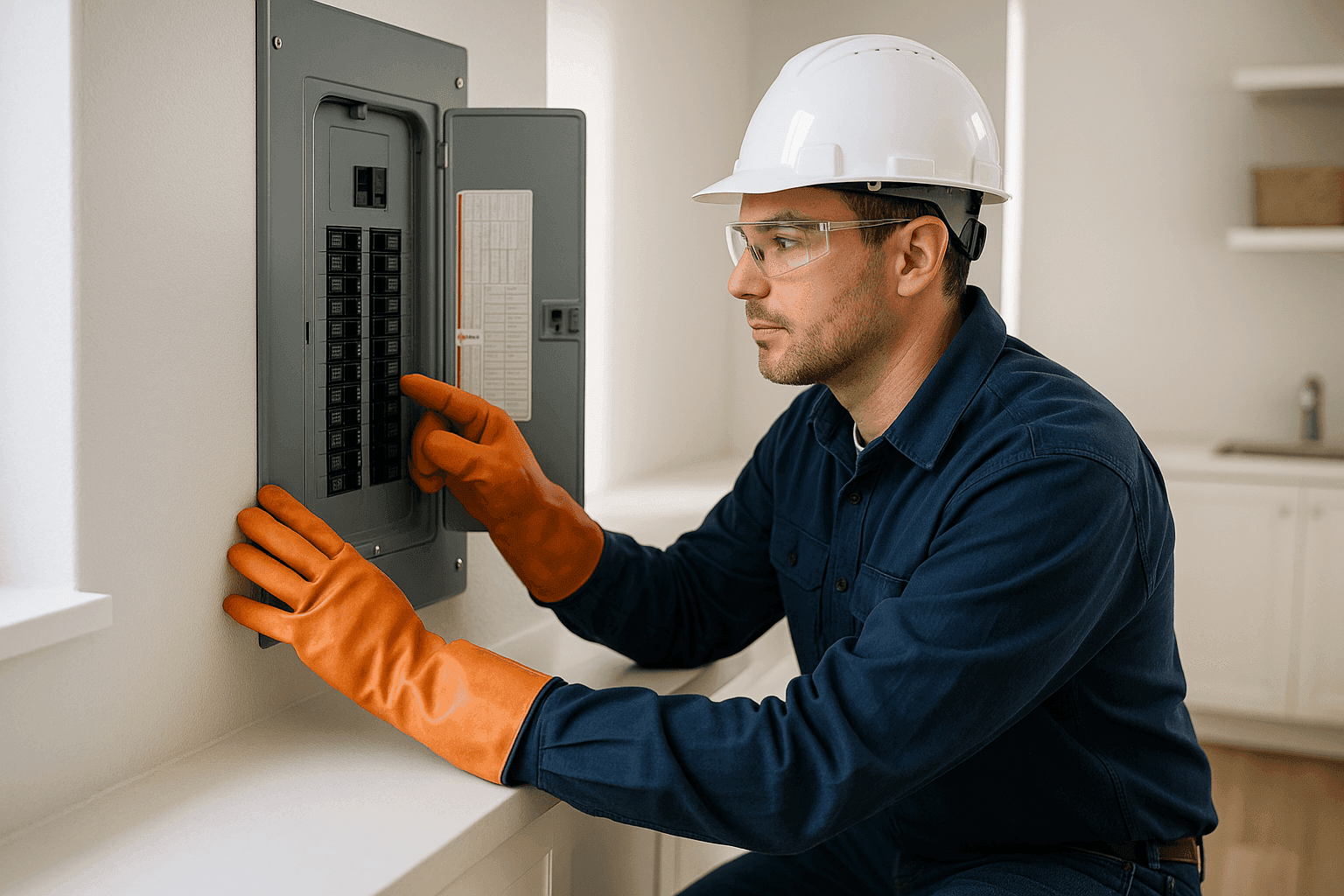
Is your home’s breaker box the silent workhorse hidden behind a closet door? Most people forget it’s there—until the lights flicker, the microwave groans, or a mysterious burning smell creeps in. When the panel falters, the risks are real. At Powells Electric, we know that an outdated panel isn’t just inconvenient; it can be dangerous.
Let’s break down the what, why, and how of electrical panel upgrades—so you can keep your property, your people, and your peace of mind safe.
What Is an Electrical Panel Upgrade? ⚡
Think of your electrical panel as the traffic cop for your building’s entire electrical system. Every appliance, light, and gadget passes through it. When it’s too old, overloaded, or simply not up to the job, it can’t direct the flow safely.
An electrical panel upgrade means replacing your breaker box with a newer, safer, higher-capacity model. This isn’t just a swap—it’s about bringing your system up to speed with modern living. Whether you’re powering an EV charger, a new hot tub, or just keeping up with today’s devices, your panel needs muscle and brains to keep up.
Signs Your Panel Needs Replacement
Breaker boxes don’t last forever. Here’s how to tell yours is waving a red flag:
- Frequent breaker trips. If you keep resetting breakers, your panel’s struggling.
- Overheating or burning smell. Heat is a warning. Burning odors mean danger—shut off power and call an emergency electrician immediately.
- Flickering or dimming lights. Noticed the lights stutter when you switch on the microwave? Classic sign of panel stress.
- Buzzing or crackling sounds. Electricity should be silent. Any noise from your panel is a problem.
- Old fuse panels. If your panel uses fuses instead of breakers, it’s time for an upgrade.
- Rust, corrosion, or moisture. Water and electricity don’t mix. A rusty panel can’t keep you safe.
- Insufficient capacity. Today’s homes and businesses need more power than they did 20 years ago. If your panel is under 200 amps, or you’re adding major appliances, it may be time for a change.
When in doubt, always err on the side of caution. Panels are no place for guesswork.
Benefits of Upgrading (Safety, Capacity, Insurance)
Upgrading your electrical panel is like swapping a rickety old bridge for a six-lane highway. Here’s why it matters:
- Safety First: Modern panels have built-in safeguards to prevent fires, shocks, and electrical failures. According to the National Fire Protection Association (NFPA), outdated wiring and panels are a leading cause of residential electrical fires.
- More Power, Fewer Problems: New appliances, air conditioning, pool pumps, and EV chargers all demand more juice. An upgrade ensures your system can handle the load without overheating or tripping.
- Insurance Compliance: Many insurers require up-to-date panels. Outdated or unsafe panels can void your coverage or make claims harder.
- Home Value Boost: Buyers want safe, reliable power. Up-to-date electrical systems are a major selling point.
- Support for Home Automation: Smart homes need steady, high-capacity power. An upgraded panel is step one.
The Upgrade Process: What to Expect
Swapping your panel isn’t a quick fix. It’s a carefully planned project, and for good reason.
- Assessment: A licensed electrician checks your current setup, calculates your property’s power needs, and inspects for hazards.
- Permitting: Electrical work requires permits—no shortcuts. This keeps everything up to code and safe.
- Power Shutoff: The utility will shut off power to your property. Plan for a few hours with no electricity.
- Removal: The old panel, wiring, and breakers are safely disconnected and removed.
- Installation: The new panel is mounted, wired in, and carefully tested.
- Inspection: Most cities require a final safety inspection by a building official.
- Restoration: Power is restored, and your property is back online—better than before.
Meeting Modern Electrical Codes
Electrical codes change as technology and safety standards evolve. The 2023 National Electrical Code (NEC) sets the benchmark for panel installations, including requirements for arc-fault and ground-fault protection, proper labeling, and minimum amperage. Upgrading ensures your system meets or exceeds these standards—no guesswork or shortcuts.
Practical Tips for Homeowners & Businesses
- Don’t ignore warning signs. Small problems can become big ones fast.
- Schedule regular safety inspections. Annual checkups catch hazards before they worsen.
- Keep the area around your panel clear. Easy access is critical in emergencies.
- Never overload outlets or circuits. Spread out major appliances.
Risks of DIY Panel Work
You wouldn’t rebuild your car’s engine in the driveway without training. The same goes for electrical panels. Here’s why:
- Shock and electrocution risks. Panels carry lethal voltages, even when “off.”
- Fire hazards. One wrong connection can ignite hidden fires inside walls.
- Code violations. DIY work often fails inspections, leading to fines or insurance denials.
- Voided warranties and insurance. Insurers rarely cover claims from unlicensed electrical work.
Calling an emergency electrician is always safer, faster, and ultimately less expensive than risking injury or property damage.
What Powells Electric Does On Arrival
When you call us—day or night—here’s what happens next:
- Immediate safety check. We assess for fire, shock, and urgent hazards.
- Thorough inspection. Using specialized tools, we test for overheating, faulty breakers, and hidden wiring issues.
- Clear explanation. We walk you through your options, step by step.
- Professional installation. Every upgrade follows the latest codes and manufacturer specifications.
- Documentation. You’ll receive all permits, inspection records, and maintenance tips.
Prevention & Maintenance
An ounce of prevention beats a pound of repairs. Here’s how to keep your panel healthy:
- Schedule annual safety checks.
- Label all circuits clearly.
- Don’t ignore small issues. Flickers, buzzing, or heat warn of bigger problems.
- Test smoke and carbon monoxide detectors monthly.
- Ask about surge protection. Lightning and power surges can wreck unprotected systems.
Costs & Time Factors
Panel upgrades aren’t one-size-fits-all. Here’s what affects price and timing:
- Panel size (amperage). Larger, higher-capacity panels cost more.
- Wiring complexity. Older homes or custom setups take longer.
- Permitting and inspections. Required by law, but can take extra time.
- Emergency service. After-hours or urgent work may cost more.
Most panel upgrades take a day or less, with power off for several hours. Costs range widely depending on your needs, but cutting corners is never worth it—safety always comes first.
When It’s an Emergency
Some panel problems can’t wait. Call an emergency electrician if you notice:
- Smoke, burning smells, or visible fire.
- Breakers that won’t reset.
- Water leaking into the panel.
- Sparking or arcing noises.
- Total power loss with no apparent cause.
Turn off the main breaker (if safe) and get everyone outside until help arrives. Safety first—always.
FAQ: Electrical Panel Upgrades
Q: How often should an electrical panel be replaced?
A: Most panels last 25–40 years, but heavy use or outdated technology may require an upgrade sooner.
Q: Can I add more breakers to my existing panel?
A: Sometimes, but not always safely. If your panel is full or outdated, an upgrade is the safer choice.
Q: Will a new panel lower my energy bill?
A: Not directly, but it prevents energy waste and reduces fire risk from overloaded circuits.
Q: Is a permit required for panel upgrades?
A: Yes, all reputable electricians pull permits and schedule inspections to ensure code compliance.
Local & Seasonal Considerations
Extreme weather, aging infrastructure, and local building codes all affect your electrical system. Storm-prone areas see more surge damage. In older neighborhoods, panels may be decades behind current standards. Whether you’re renovating, installing a pool, or adding an EV charger, check that your panel is ready for the load.
Authoritative Sources
- National Electrical Code (NEC, 2023 edition)
- National Fire Protection Association (NFPA)
- U.S. Consumer Product Safety Commission (CPSC)
Ready to upgrade your breaker box—or facing an urgent panel problem? Call Powells Electric now — or reach us anytime at 855-578-5053 .