Backup Generators for Homes & Businesses: Selection, Safety, and Maintenance
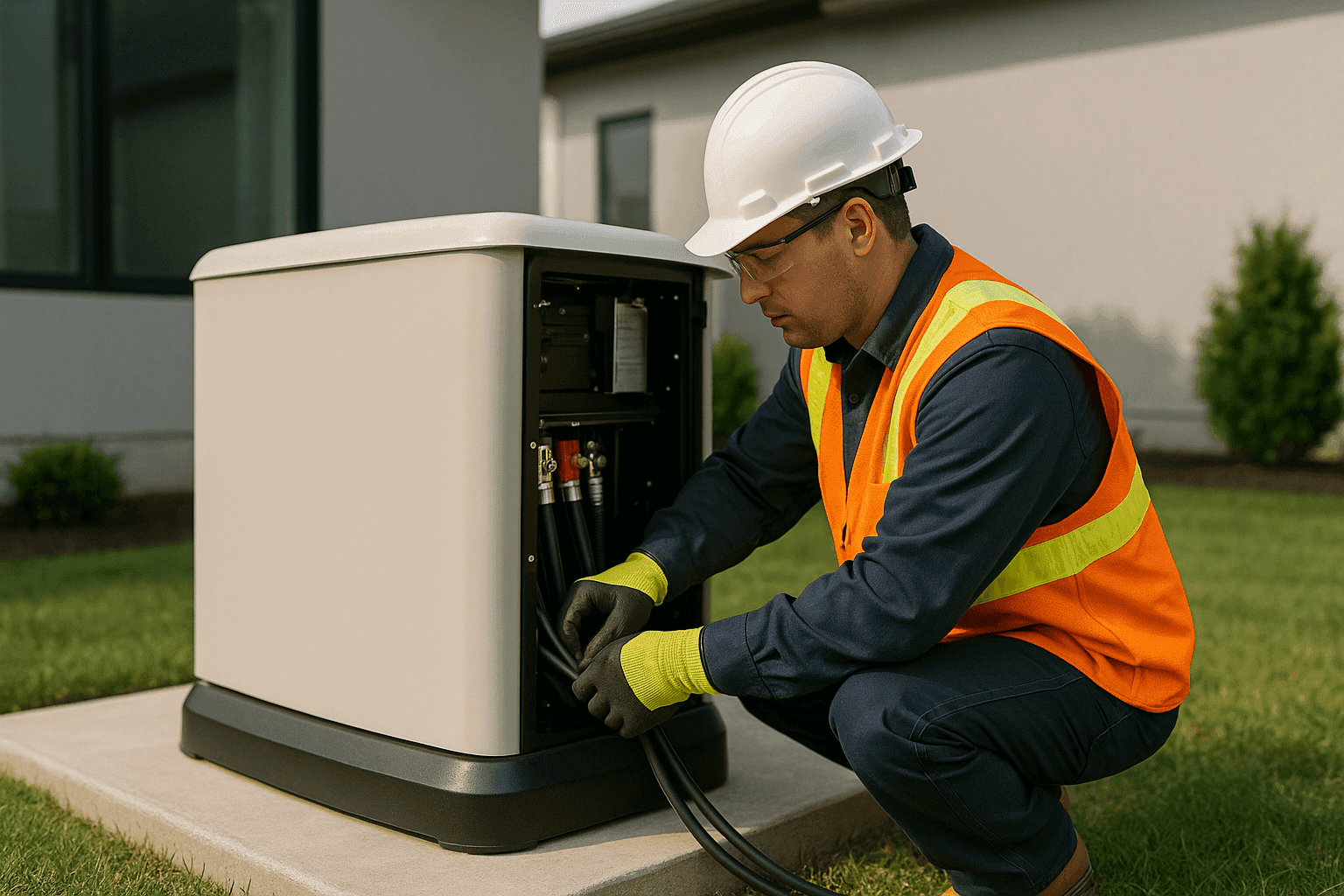
When the lights flicker off in the middle of the night, panic can set in fast—especially if you’re running a business or keeping your family safe. Power outages don’t wait for a convenient time. That’s why having a backup generator is like having an umbrella before the storm clouds gather.
At Powells Electric, we’re here around the clock—so you can rest easy knowing you have an emergency electrician near you ready to help. Let’s break down what you need to know about backup generators, from picking the right one to keeping it running safely for years.
Why Invest in a Backup Generator?
Imagine your home in a blackout. No fridge. No heat. No security. Or a business forced to shut its doors—losing data, customers, and revenue with every passing hour. Backup generators bridge the gap between “lights out” and “business as usual.”
For homes, generators mean comfort and safety—your essentials keep running, from medical equipment to sump pumps. For businesses, they’re a lifeline for continuity. Hospitals, restaurants, data centers, even a local coffee shop can’t afford downtime. A reliable generator turns a worst-case scenario into a minor inconvenience.
And with storms, wildfires, and aging infrastructure becoming more common, the question isn’t if you’ll lose power—but when.
Types of Generators (Portable vs. Standby) ⚡
Generators aren’t one-size-fits-all. The two main types each have their place:
Portable Generators
- Ideal for short outages or powering a few essentials.
- Run on gasoline or propane.
- Need to be started and plugged in manually.
- Best for homes or small businesses with lower power needs.
Standby Generators
- Permanently installed outside, like a central AC unit.
- Automatically kick in within seconds of an outage.
- Run on natural gas or propane—no manual refueling.
- Can power an entire home or business.
- Require professional installation and regular servicing.
Portable generators are like spare tires—great in a pinch, but not meant for long drives. Standby generators are more like all-season tires—ready whenever you need them, no effort required.
Sizing & Selection Factors
Choosing a generator isn’t just about picking the biggest one on the lot. Oversized units can waste fuel and money. Too small—and you’ll be left in the dark.
Here’s what to consider:
- Power Needs: List everything you need to run during an outage. Essentials like refrigerators, medical gear, computers, security systems, and HVAC.
- Wattage: Add up starting (surge) and running watts for each device. The U.S. Department of Energy has helpful calculators for estimating total load.
- Fuel Source: Natural gas and propane are common for standby units. Portable models often use gasoline or propane.
- Automatic Transfer Switch: For standby units, this device senses outages and switches you to generator power instantly.
- Location & Space: Local building codes (like those from the National Electrical Code—NEC) dictate safe distances from windows and doors for generator placement.
- Noise: Some models are quieter than others—a big deal for neighborhoods or offices.
- Future Expansion: Planning to add an EV charger or new appliances? Size up for tomorrow’s needs, not just today’s.
Selecting the right unit is a balance—think of it like fitting a suit: you want it tailored, not baggy or too tight.
Professional Installation & Safety
Installing a generator isn’t a DIY project. Electrical System Installation near you must follow strict safety codes to protect you, your property, and utility workers.
Why call in a licensed emergency electrician?
- Permits & Codes: Local and national codes (NEC, NFPA 110 for emergency systems) must be followed.
- Transfer Switches: These prevent dangerous “backfeeding” into utility lines, protecting line workers and your neighbors.
- Fuel Connections: Gas lines require precise installation—no leaks, no risks.
- Grounding & Bonding: Prevents shocks and electrical fires.
A professional will evaluate your electrical panel, wiring, and site to ensure everything’s safe and up to code. They’ll also provide the required certificates after installation. Skipping the pros is like crossing a busy road blindfolded—just not worth the risk.
Maintenance Tips for Reliability 🛠️
A generator is only as good as its last maintenance check. Like a car left sitting too long, neglect leads to breakdowns when you need it most.
Keep your backup generator ready with these basics:
- Run Monthly: Start the generator once a month. Let it run for 15–20 minutes under load.
- Check Oil & Coolant: Just like your car—top up as needed.
- Replace Filters: Air and fuel filters should be changed according to the manufacturer’s schedule.
- Inspect Battery: Clean terminals and check charge—especially for standby units.
- Test Automatic Transfer Switch: Make sure it’s working smoothly.
- Clear Debris: Keep the area around your generator free from leaves, snow, or clutter.
- Annual Service: Have a licensed emergency electrician inspect and service the unit annually.
Always refer to the manufacturer’s manual and guidelines from the Electrical Safety Foundation International (ESFI) or the National Fire Protection Association (NFPA).
Preparing for Storms and Outages
Don’t wait until the sky turns black. Prep your generator and your family with these quick steps:
- Fuel Up: Make sure tanks are full and fuel isn’t stale.
- Supplies Ready: Keep extra oil, filters, and extension cords handy.
- Test Run: Run the generator before severe weather arrives.
- Emergency Plan: Know how to operate the generator safely—never indoors or in garages.
- Update Contacts: Keep the number for Powells Electric and your utility company handy.
Preparedness is peace of mind—like buckling your seatbelt before the car moves.
FAQs
How often should I run my standby generator?
Run your standby generator every month for at least 15–20 minutes to keep it in good shape.
Can I install a generator myself?
It’s strongly advised to use a licensed emergency electrician for installation. Improper work risks fire, shock, and legal issues.
What size generator do I need for my business?
This depends on your equipment, square footage, and critical systems. A professional assessment is the safest way to decide.
Is maintenance really that important?
Yes! Regular checks catch issues before they become emergencies—saving you time, money, and stress.
Local/Seasonal Considerations
In some areas, storms, hurricanes, or winter ice can knock out power for days. Businesses in hurricane zones often require larger, more robust standby units. For homes in cold climates, make sure your generator is winterized—fuel additives, battery warmers, and regular testing help it start when temperatures drop.
Whatever the season, Powells Electric is always ready to help with electrical safety inspections, installations, and emergency service—so you’re never left in the dark.
When the next storm hits, don’t be caught off guard. Whether you need help choosing a generator or want to schedule a maintenance check, Powells Electric delivers 24/7 reliability and safety.
Call Powells Electric now — or reach us anytime at 855-578-5053 .